Advanced Image Masking Service for Hair & Fur
When vector clipping paths are too rigid for soft, flyaway, or semi-transparent edges, our masking artists preserve every strand, follicle, and texture without halos. Rates starting from $1.99 per image.
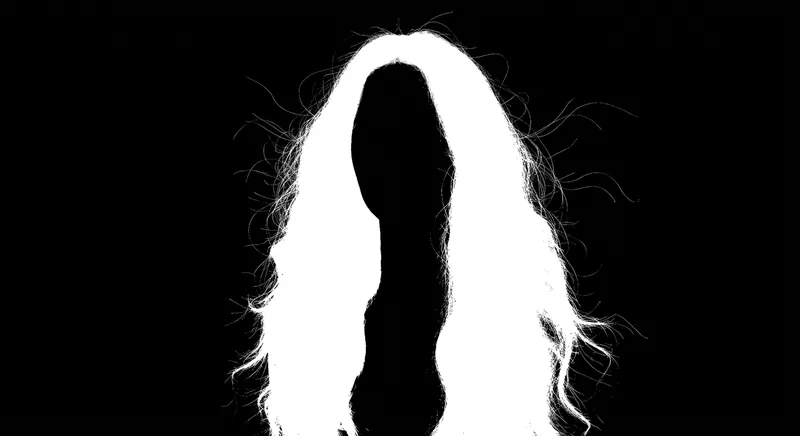
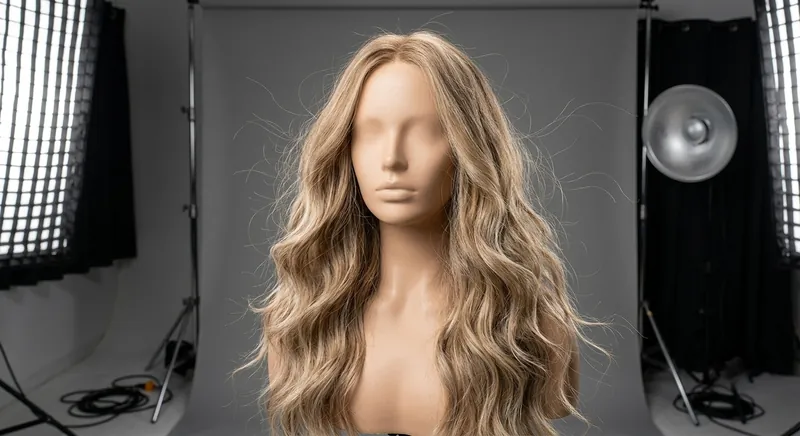
Image masking is an advanced Photoshop extraction method that uses alpha channels, color calculations, and brush refinement to isolate complex subjects with soft, translucent, or delicate edges—such as hair strands, animal fur, feathers, chiffon fabrics, and transparent glass—without creating hard or unnatural vector boundaries.
When to Choose Image Masking Over Clipping Path
Hard vector clipping paths are designed for sharp, well-defined boundaries (such as a shoe, watch, or jewelry piece). However, applying a hard vector cut to hair, animal fur, wool sweaters, semi-transparent bridal veils, or feathers results in an unnatural, helmet-like appearance.
Image masking isolates delicate subjects pixel-by-pixel using multi-channel calculations, preserving subtle translucency and eliminating color fringing from previous backgrounds.
Specialized Masking Techniques We Employ
- Alpha Channel Masking: Isolating hair and fur strands by mapping contrast directly in discrete RGB/CMYK channels for photographic naturalism.
- Translucent & Transparency Masking: Preserving the see-through qualities of chiffon, mesh, smoke, glass bottles, and liquid splashes.
- Color Separation Masking: Separating subjects from complex backgrounds where subject and background share similar color hues.
- Refine Edge & Hand Brush Touchup: Hand-painting micro-strands along edges to restore lost detail and eliminate residual background color bleed.
Industries That Rely on Our Masking Services
- Fashion & Model Photography: High-end editorial portraits, flyaway hair preservation, and wardrobe changes.
- Pet Products & Animal Photography: Dog coats, cat fur, plush toys, and wildlife imagery.
- Winter Apparel & Faux Fur: Parkas with fur hoods, sherpa fleeces, wool knits, and velvet textiles.
- Beverage & Perfume Brands: Transparent glass flutes, perfume atomizers, and cosmetic bottles.
Send Your Most Challenging Hair or Fur Image
Test our alpha masking quality with 2 free sample edits. Delivered in 24 hours with zero commitment.
Get 2 Free Masking Samples →